
September 10 2026 11:30
CAPE TOWN, SOUTH AFRICA
Hotels, corporate accommodation and other hospitality markets across many of Africa’s key markets are attracting not only interest from some of the world’s most sophisticated real estate investors but are also receiving their capital.
As numerous property owners look to sell properties and related businesses after holding them for years and at market-accurate prices, confidence has been created in hospitality markets as we move through the second half of the 2020s. It is with this optimism that hundreds of property professionals, investors and managers will descend on the API Summit between September 17 and 18, 2026. The conference will be hosted by the Cape Town International Conference Centre (CTICC).
“We have seen many markets gain momentum. We are past the Covid-19 pandemic’s challenges and the recovery period. It’s an exciting time in African Real Estate,” says Wayne Godwin.
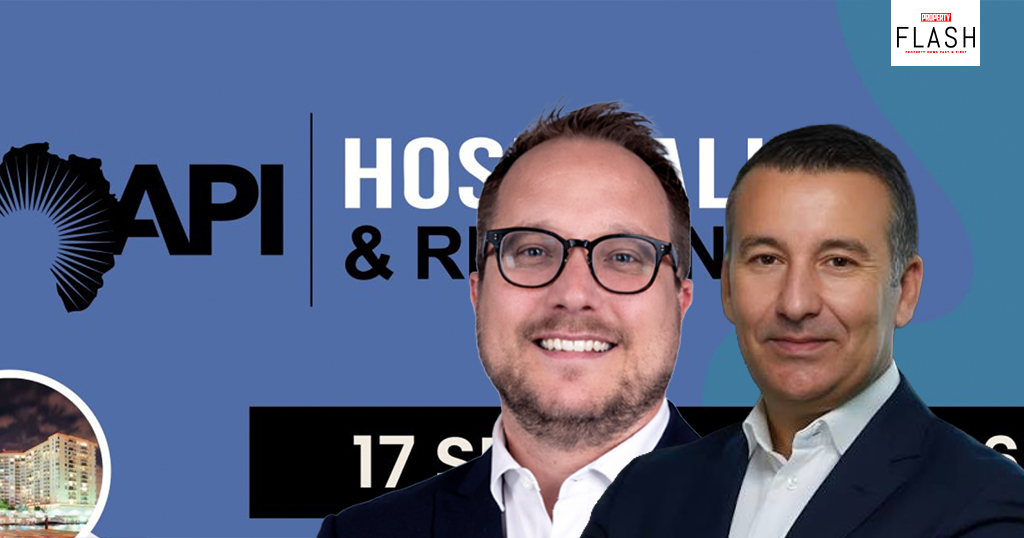
Godwin recently joined Cushman Wakefield Broll as its Managing Director for Hospitality, having spent 11 years at JLL and having worked in numerous African markets.
Godwin who will speak at the API Summit’s Hospitality Forum next week says there is genuine optimism across the continent about the investment case for real estate related to hospitality.
“For decades there has been talk about the hotel demand across African markets especially key ones. Research suggests that different funders including private equity, banks and development finance institution (DFI)s would need to provide US$10bn a year to fund Africa’s existing hotel pipeline. That is an impressive number and in recent years the plans that have emerged to tackle this challenge impresses me,” says Godwin.
“What we need to ensure is that the solutions are implemented successfully. We need hotels, leisure, corporate accommodation and other hospitality-based assets to be built timeously and then to operate efficiently. These strategies will be discussed at the API Summit and our attached Hospitality Forum,” he says.
Africa’s hotel development pipeline is at more than 100 000 rooms across some 700 hotels, resorts and other properties. The Hospitality Forum brings the best funders, developers, operators and other parties together for hotel projects across Africa.
Karim Cheltout, the Senior Vice President for Development, Middle East and Africa at Marriott International agrees that confidence is on the rise in African hospitality.
“Having worked across the continent for many years, I believe Africa is entering one of the most exciting periods in its hospitality evolution. We’re seeing real momentum across the continent. Africa is becoming one of the most compelling growth stories in global hospitality. African governments are increasingly prioritising tourism as a key economic driver, infrastructure is improving, and regional connectivity is strengthening,” he says.
“At the same time, a rising middle class, a post-pandemic rebound in leisure and business travel, and a new generation of experienced developers and entrepreneurs are helping to elevate hospitality standards across a range of markets. Together, these factors point to significant long-term growth potential and make Africa an increasingly compelling destination for investment,” he says.
Marriott’s African development pipeline includes more than 100 properties in Africa. This shows that owners and developers are committed to the long-term progress of hospitality real estate in Africa.
“This expansion will strengthen Marriott’s footprint across Africa, where our current operating portfolio encompasses more than 160 properties and 27,000 rooms across 26 countries,” says Cheltout.
In terms of new openings, this year Marriott celebrated the opening of Four Points by Sheraton São Vicente Resort in Cape Verde, Sheraton Nouakchott Hotel in Mauritania, and Delta Hotels by Marriott Antananarivo in Madagascar, marking Marriott’s first hotels in each of these markets.
Godwin says it is pleasing that “more buyers are in the room” when it comes to a typical commercial property sale in Africa in 2026.
“Owners and buyers are coming closer together in terms of price. For a long time, the owner would hold onto an asset for a very long time. These might have been families who invested their wealth in the asset for decades. But now these long-term owners are recycling capital more often as they dispose of assets at fair market prices. This shows that markets have matured. I do hope that we can see a higher value of deals,” he says.
Historically most hotel owners outside of South Africa and Mauritius have been private developers but this is beginning to shift.
“We will hopefully see new African hotel brands enter the market especially once management contracts expire or come up for renewal. We have an opportunity now with many African hotel markets having recovered more quickly than regions elsewhere in the world even if the recovery was off a lower base. Momentum in occupancy and average daily rates (ADRs) shows that more tourists and business travellers are returning to the same hotels because of good service and fulfilling experiences in the attached markets,” says Godwin.
Cheltout agrees that demand is not only increasing but also becoming more diverse.
“Demand is increasingly diversified, driven by a combination of business travel, domestic and regional tourism, international leisure travel, and the growing trend of travellers combining business and leisure within the same trip. At the same time, investors are looking beyond traditional urban hotel developments to include resorts, luxury lodges and branded residences. We are also seeing growing interest in conversion opportunities and franchising,” he says.
“There is growing participation from family offices, private investors and institutional capital, reflecting confidence in Africa’s long-term tourism fundamentals. Technology is supporting this growth through improved guest experiences, mobile solutions, revenue optimization tools and enhanced loyalty engagement, says Cheltout.
“Growth opportunities are broad-based rather than concentrated in a single region which is key. Egypt, South Africa, Morocco, Ethiopia, Nigeria and Tanzania represent some of our largest growth markets,” he says.
The hotel group has been busier than ever this year. In North Africa, Egypt and Morocco are expected to lead Marriott’s expansion for example. Plans in Egypt include the debut of Aloft Hotels in Africa with Aloft Ghazala Bay on the country’s North Coast, while Morocco is expected to see the market debut of AC Hotels by Marriott with a planned opening in Casablanca.
In East Africa there was the opening of JW Marriott Mount Kenya Rhino Reserve Safari Camp in Kenya, and Marriott Hotels and Marriott Executive Apartments recently entered Uganda with the opening of Kampala Marriott Hotel and Marriott Executive Apartments Kampala.
The Courtyard by Marriott in Abuja will open in the coming months and Leopard Sands Kruger Park will open in South Africa.
“While the pandemic affected travel, the strength of today’s signed pipeline demonstrates the resilience of the sector and the continued appetite for branded hospitality across Africa. Improving connectivity, tourism infrastructure and supportive government policies, together with expanding domestic and regional travel, are helping to underpin this growth,” says Cheltout.
Godwin says the long-term investment case for hospitality in Africa cannot be understated.
“The real opportunity lies in the age of the continent’s population. More than half of the continent is aged under 25. Many more consumers will enter the hotel and related markets in the next decade. As people age and enter the workplace and travel, hospitality is correlated to this. This calls for development in financial services, inter Africa travel, infrastructure, and airport developments in Africa cannot be underappreciated and as these goals are met, hospitality will thrive.
Godwin explains that attending the API Summit is highly valuable and key for any business operating in African real estate and investment. This is a good opportunity for the sector to align on where opportunities are and where challenges are, and the Hospitality Forum is a welcome adjacent event, he says.
“I believe that the investment case for African hospitality assets and services is more concrete than ever before. Even among the challenges of debt pricing, competition for capital and the cost of development, many markets punch above their weight,” Godwin says.
alistair@propertyflash.co.za
Learn more about the 2026 API Summit and the API Hospitality Forum by listening to the latest episode of the Another Brick in the Wall podcast here on iono.fm or on Spotify.
Partner content for API Events

2 Responses